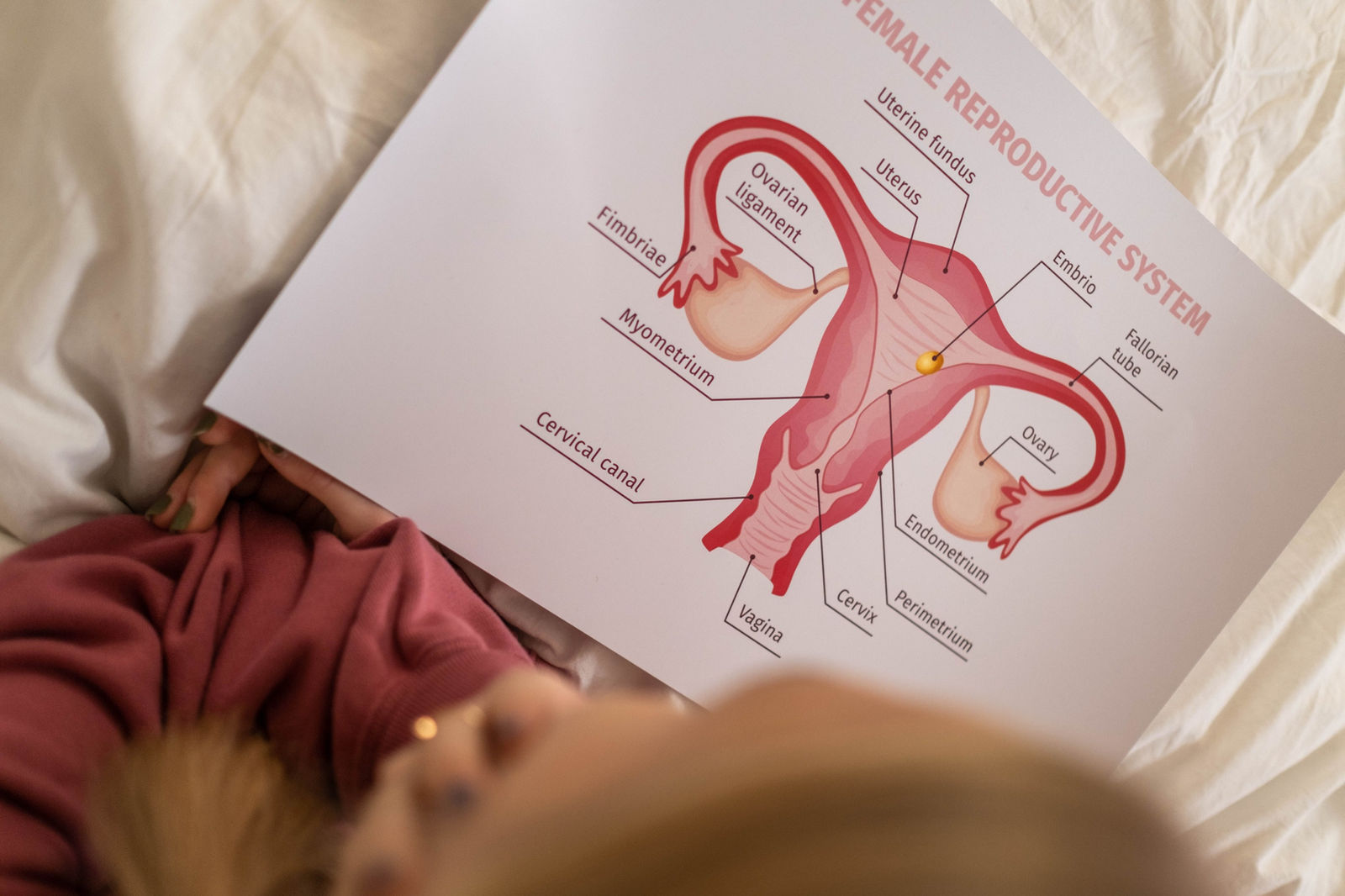
In order to understand how NFP works, it’s important to understand how the female menstrual cycle and ovulation occurs. The start of the menstrual cycle (Day 1 of cycle) is the first day of a woman’s period, and the entire cycle lasts until the start of her next period. The entire menstrual cycle includes menstruation and ovulation, and consists of two phases called the follicular and luteal phases. An average complete menstrual cycle lasts 28 days, but a normal cycle can range anywhere between 21-35 days. And normal length of menstruation lasts anywhere between 3-7 days.
The menstrual cycle is a complex process involving hormonal changes and physiological responses. It can be divided into several distinct phases:
1. Menstrual Phase
Duration: Typically lasts 3-7 days.
What Happens: This phase starts on the first day of menstrual bleeding, signifying the shedding of the uterine lining (endometrium). If the egg from the previous cycle wasn't fertilized, levels of estrogen and progesterone drop, leading to the breakdown of the endometrium which is then shed through the vagina.
2. Follicular Phase
Duration: Begins on the first day of menstruation and lasts until ovulation (around day 14 in a 28-day cycle). However, a normal follicular phase can last anywhere between 14 - 21 days. This is the phase in the cycle that can vary in length from cycle to cycle.
What Happens: The pituitary gland releases follicle-stimulating hormone (FSH), which stimulates the ovaries to produce around 5 to 20 tiny sacs called follicles. Each follicle contains an immature egg (oocyte). One follicle (the dominant follicle) continues to grow, while the others are absorbed back into the ovary. The growing follicle boosts estrogen production, which prepares the uterine lining for potential pregnancy.
Significance: This phase is crucial for the development of the egg and preparation of the uterus.
3. Ovulation Phase
Timing: Occurs roughly in the middle of the cycle at the very end of the follicular phase (around day 14 in a 28-day cycle).
What Happens: As estrogen levels peak, the pituitary gland releases a surge of luteinizing hormone (LH). This LH surge triggers ovulation: the release of the mature egg from the dominant follicle in the ovary. The egg then travels down the fallopian tube towards the uterus.
Signs of Ovulation: Increase in basal body temperature (by as little as 0.5 degrees F), changes in cervical mucus (becomes lubricative, clear, and stretchy like raw egg whites), and possibly mild pain or discomfort on one side of the abdomen or lower back.
4. Luteal Phase
Duration: Lasts from ovulation until the start of menstruation (around day 14-28). However, a normal luteal phase can last anywhere between 11-17 days. This is the phase in the cycle that remains fairly consistent in length.
What Happens: After releasing the egg, the empty follicle transforms into a structure called the corpus luteum, which secretes progesterone and some estrogen. These hormones maintain the uterine lining and prepare it for potential implantation of a fertilized egg. If the egg is not fertilized, the corpus luteum degenerates, leading to a drop in progesterone and estrogen levels.
Outcome: This hormonal decline triggers the shedding of the uterine lining, leading back to the menstrual phase.
Importance of the Menstrual Cycle:
Reproductive Health: The menstrual cycle is essential for reproduction, as it prepares the body for potential pregnancy each month.
Indicator of Health: Irregularities or changes in the cycle can be indicators of health issues and should be discussed with a healthcare provider.
Each phase is influenced by complex hormonal interplay and can vary in length and symptomatology among different individuals. Understanding these phases can help in recognizing normal patterns and identifying potential issues related to menstrual and reproductive health.
References:
https://my.clevelandclinic.org/health/articles/10132-menstrual-cycle
https://www.healthline.com/health/womens-health/stages-of-menstrual-cycle#follicular