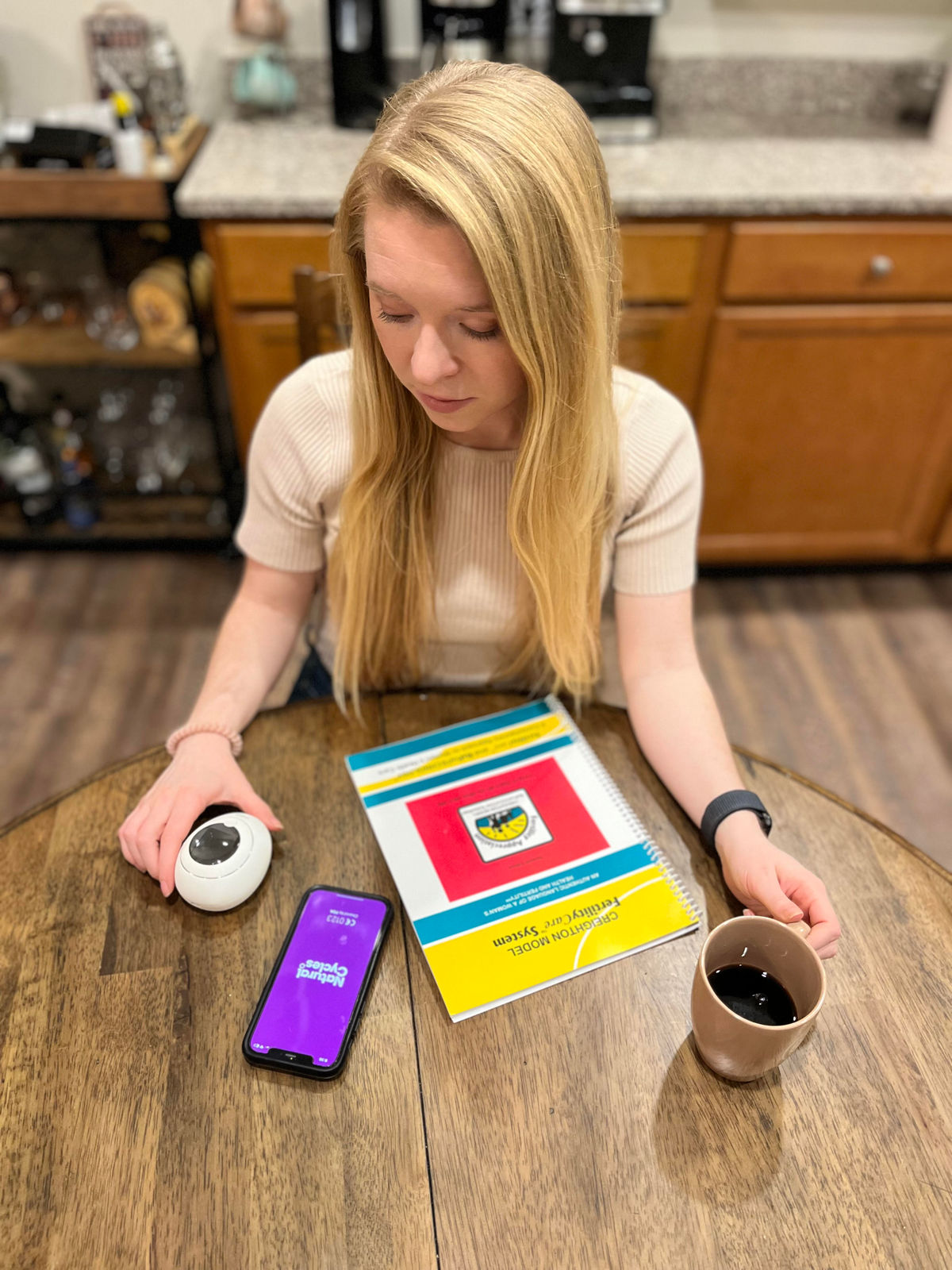
Natural Family Planning (NFP) is a valuable tool for many women and couples seeking to manage fertility naturally. However, staying consistent with NFP and charting can be challenging, especially with a busy lifestyle. This blog post will provide practical tips and tricks to help you maintain your NFP practice, whether you use the cervical mucus method, the sympto-hormonal method, or the sympto-thermal method.
Understanding the Basics
- Cervical Mucus Method: Involves observing and recording changes in cervical mucus to determine fertile and infertile phases. Click here to learn more about this method.
- Sympto-Hormonal Method: Combines cervical mucus observations with hormonal indicators, such as ovulation predictor kits (OPKs) such as Clear Blue or Mira. Click here to learn more about this method.
- Sympto-Thermal Method: Integrates cervical mucus and basal body temperature (BBT) readings to identify ovulation. This can be done with an oral BBT thermometer or with apps such as Tempdrop or Natural Cycles, which detect your average BBT while sleeping. Click here to learn more about this method.
Tips for Staying Consistent
General Tips for All Methods
- Make Charting Routine: Integrate charting into your daily routine. For example, check your cervical mucus during every bathroom break and record observations at the same time each day. With repetition, charting will become routine, so you won't have to actively think about logging your symptoms. It will instead come naturally, so you can focus your attention to other responsibilities of your day instead of stressing over remembering to chart.
- Use Technology: Utilize NFP apps to track your observations. Apps can send you notifications as reminders to record your data and provide easy access to your fertility patterns. With the cervical mucus method, you can set a reminder notification to record your daily observation prior to bedtime, and if your are using the sympto-thermal or sympto-hormonal methods, you can set a notification for when you wake up to remind you to check your temperature or urine hormone levels.
- Simplify Charting Supplies: Keep a small notebook, the "Notes" app on your phone, or use a digital NFP app that allows for quick entries. This makes it easier to jot down observations on the go. This way you can make sure to record any observations in real-time, and then will be sure to not forget any of these observations within a busy day. I know that when I am in a rush in the morning to head to work, it can be so easy to forget something at home through all of the chaos. By using an app, the only thing that you need to remember for the day is your cell phone.
- Stay Organized: Keep all your charting tools (thermometer, OPKs, notebook, or app) in a designated spot to streamline the process. I recommend keeping your ovulation predictor kits and urine test wands on the bathroom counter or on a shelf above or near the toilet. This way, they will be in obvious eyesight for you so you don't forget to use them for your first morning urine (a time when many can be in a rush with getting ready or can still be too tired to be thinking about things such as ovulation testing). Additionally, I recommend keeping your BBT thermometer on your nightstand, so it is easy to access right upon waking up.

Overcoming Common Challenges of a Busy Lifestyle
- Travel: Carry a travel kit with your thermometer, OPKs, and charting supplies. Use a digital app to keep track even when you're on the move.
- Irregular Schedules: If your schedule is irregular, focus on the aspects of charting that remain consistent, like cervical mucus observations, and adjust other aspects as needed.
- Stress Management: Incorporate relaxation techniques such as meditation or prayer to reduce stress from a busy day, which can impact your cycle and your ability to chart accurately.
Conclusion
Staying consistent with Natural Family Planning and charting can be manageable, even with a busy lifestyle. By setting routines, using technology, and being organized, you can effectively track your fertility signs and make informed decisions about your reproductive health. Remember, the key is to integrate these practices seamlessly into your daily life, making them a natural part of your routine. With these tips and tricks, you can maintain your NFP practice and stay on top of your fertility health.